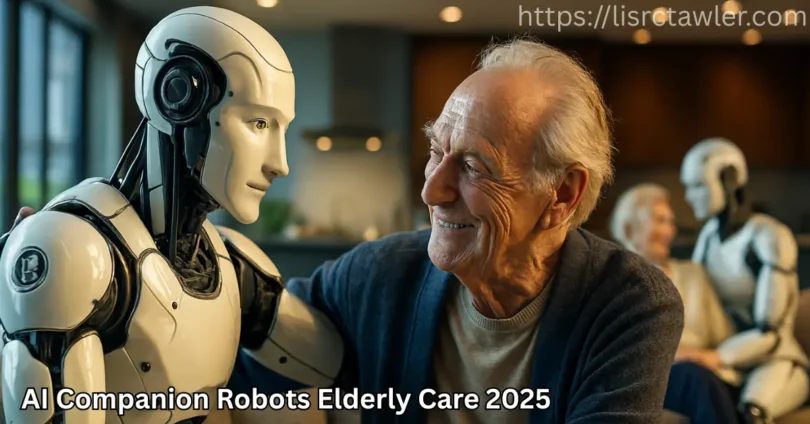
In 2025, AI Companion Robots Elderly Care 2025 is becoming a vital part of modern healthcare. As the world is population ages, many older adults face loneliness, health challenges and difficulty managing daily tasks. These smart robots are designed to provide not only practical help, like reminding about medications or monitoring health, but also emotional support and companionship. With advanced technology, AI Companion Robots Elderly Care 2025 is helping seniors live more independent, safer and happier lives.
What Are AI Companion Robots?
AI Companion Robots Elderly Care 2025 are smart machines designed to help older adults in their daily lives. These robots can talk, remind seniors to take their medicine, monitor health, and even provide company to reduce loneliness. They use artificial intelligence to learn the habits and preferences of each person, making their help more personal and useful.
In 2025, these robots are becoming more common in homes and care facilities, offering support that goes beyond simple tasks to improve the overall well-being of elderly people.
Key Features & Functionalities
AI Companion Robots Elderly Care 2025 come with many useful abilities that make life easier for seniors. Here are the main features:
- Social Interaction: They can talk, listen and engage in simple conversations to reduce loneliness.
- Daily Reminders: Remind seniors to take medicines, drink water or follow schedules.
- Health Monitoring: Track heart rate, blood pressure and other vital signs.
- Emergency Alerts: Send notifications to family or caregivers in case of emergencies.
- Emotional Support: Offer companionship, games or music to improve mood.
- Mobility Assistance: Help with simple movements or guide seniors around the house.
- Learning & Adaptation: Adjust their behavior based on the user’s preferences over time.
AI Companion Robots Elderly Care 2025 provide practical help and emotional support, making daily life safer and happier for older adults.
Benefits for Older Adults and Caregivers
Using AI Companion Robots Elderly Care 2025 brings many advantages for both seniors and their caregivers. These benefits include:
- Independence for Seniors: Older adults can manage daily tasks with less help from others.
- Reduced Loneliness: Regular interaction with robots provides companionship and emotional comfort.
- Better Health Management: Reminders and health monitoring improve overall wellness.
- Safety and Security: Emergency alerts ensure quick help when needed.
- Relief for Caregivers: Family members or care staff feel less stress and workload.
- Consistent Support: Robots can provide 24/7 assistance without breaks or fatigue.
- Improved Quality of Life: Seniors feel more confident, happy and engaged.
AI Companion Robots Elderly Care 2025 not only make life easier for older adults but also reduce the challenges faced by caregivers, creating a safer and happier environment for everyone.
Challenges and Ethical Considerations
While AI Companion Robots Elderly Care 2025 offer many benefits, there are some challenges and ethical points to consider:
- Technical Issues: Robots may face malfunctions, software bugs or connectivity problems.
- Privacy Concerns: Health and personal data must be protected from misuse.
- Dependence on Technology: Seniors may rely too much on robots and reduce human interaction.
- Cost and Accessibility: High prices can make it difficult for everyone to afford these robots.
- Emotional Limitations: Robots can provide companionship but cannot fully replace human feelings.
- Training Needs: Both seniors and caregivers may need guidance to use robots effectively.
- Ethical Decisions: Deciding how much robots should intervene in daily life can be complex.
AI Companion Robots Elderly Care 2025 are useful but must be used thoughtfully, balancing technology with personal care and human interaction.
Current Trends and Innovations in 2025
In 2025, AI Companion Robots Elderly Care 2025 are becoming more advanced and widely used. Some current trends include:
- Smart Home Integration: Robots can connect with smart lights, doors and appliances for easier home management.
- Voice and Gesture Control: Seniors can interact with robots using simple voice commands or gestures.
- AI Learning Capabilities: Robots adapt to the habits and preferences of each user for personalized support.
- Telehealth Support: Robots can help doctors monitor patients remotely through video and data sharing.
- Entertainment & Education: They offer games, music and learning activities to keep seniors engaged.
- Compact and Mobile Designs: Smaller robots can move easily around the house and assist in daily tasks.
- Collaborations with Care Facilities: Many care homes are adopting robots to support staff and residents.
AI Companion Robots Elderly Care 2025 are evolving rapidly, combining technology, healthcare and emotional support to improve the lives of older adults.
How to Implement in Home or Care Facility
Introducing AI Companion Robots Elderly Care 2025 at home or in a care facility requires careful planning to ensure maximum benefit. Here’s how to do it:
- Assess Needs: Identify the daily tasks and support each senior requires.
- Choose the Right Robot: Select a robot that matches the needs, budget and home setup.
- Training for Users: Teach seniors and caregivers how to operate and interact with the robot.
- Set Up Environment: Ensure proper space, charging stations and safe pathways for the robot.
- Monitor and Adjust: Observe how seniors interact with the robot and make adjustments as needed.
- Integrate with Care Team: Coordinate with family or professional caregivers for consistent support.
- Regular Maintenance: Keep software updated and perform regular checks to ensure smooth functioning.
Careful planning and ongoing support ensure that AI Companion Robots Elderly Care 2025 provide safe, effective and enjoyable assistance for older adults.
Success Stories & Case Studies
Many seniors are already benefiting from AI Companion Robots Elderly Care 2025, showing real-life success. Some examples include:
- Independent Living: Mrs. Lee, an 80 year old, uses a robot to remind her about medications and daily exercises, helping her stay independent at home.
- Reducing Loneliness: Mr. Kumar, a retired teacher, enjoys daily conversations and games with his companion robot, which improves his mood and reduces loneliness.
- Care Facility Support: A care home in Japan integrated robots to monitor residents health, alert staff during emergencies and entertain seniors during the day.
- Remote Family Connection: Robots with video calling features help seniors communicate easily with distant family members.
- Personalized Assistance: Many robots now learn each senior’s preferences, adjusting reminders, music or activities to match their habits.
These examples show that AI Companion Robots Elderly Care 2025 can make life safer, happier and more independent for older adults while supporting caregivers.
Future Outlook | What to Expect Beyond 2025
The future of AI Companion Robots Elderly Care 2025 looks promising, with many exciting developments ahead:
- Smarter AI: Robots will better understand emotions and anticipate the needs of seniors.
- Improved Mobility: Future robots may help with walking, physical therapy or household tasks more effectively.
- Integration with Healthcare: Closer connection with doctors and hospitals for real time health monitoring.
- Affordable Options: Prices are expected to decrease, making robots accessible to more families.
- Enhanced Entertainment & Learning: Seniors will enjoy more interactive games, virtual travel and educational activities.
- Greater Customization: Robots will adapt even more to individual habits, moods and health conditions.
- Global Expansion: Many countries may adopt these robots to support aging populations worldwide.
The next generation of AI Companion Robots Elderly Care 2025 will provide smarter, safer and more personal care, helping seniors live better, happier and more independent lives.
Common FAQs About AI Companion Robots Elderly Care 2025
Some faqs about AI Companion Robots Elderly Care 2025:
Can AI companion robots understand multiple languages?
Yes, many robots in 2025 can communicate in several languages to support seniors from diverse backgrounds.
Do these robots require internet to function?
Some features work offline, but advanced functions like health monitoring and updates need internet connectivity.
Can the robots recognize different family members?
Yes, AI robots can identify family members through voice or facial recognition for personalized interactions.
Are these robots safe around pets?
Most robots are designed with sensors to avoid collisions and safely navigate spaces with pets.
Can AI robots remind seniors about appointments or social events?
Yes, they can maintain calendars and provide reminders for appointments, meetings and social activities.
Do robots need regular maintenance?
Yes, software updates, battery checks and occasional physical inspections are recommended for smooth performance.
Can the robots detect falls or accidents?
Many models in 2025 include fall detection sensors and can alert caregivers immediately.
Are they customizable for hobbies or interests?
Yes, robots can be programmed to offer activities, games, or music based on each senior’s personal preferences.
Can these robots help with diet or meal reminders?
Yes, AI robots can suggest meal schedules, track nutrition and remind seniors to eat or drink water.
Do insurance companies support the use of these robots?
Some healthcare insurers are beginning to offer partial coverage for AI companion robots as part of senior care programs.
Conclusion
AI Companion Robots Elderly Care 2025 are changing the way seniors live and receive care. They provide practical help, emotional support and health monitoring, making daily life safer and more enjoyable. While challenges like cost, privacy and human connection exist, careful use and planning can overcome them.
With continuing innovation, these robots are set to become smarter, more affordable and more helpful, allowing older adults to live independent, happy and fulfilling lives.