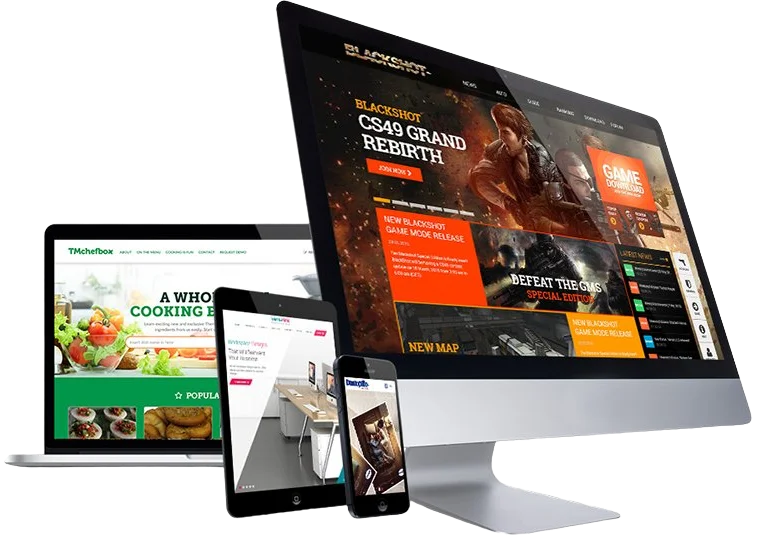
Buying website development services in USA looks the same as it did two years ago. The pitch decks still show sliders and portfolio grids. But two shifts happened underneath, and most quotes have not caught up with either one.
The first is AI answers. Search results now reply before anyone clicks. The second is accessibility, which moved from friendly advice to dated rules. Both change what you should buy from website development services in USA this year.
AI answers now sit above your homepage
Search engines summarize pages inside the results page. Many people read that summary and stop. So rankings can hold steady while clicks fall.
Pages that get pulled into those answers share a few habits. Each section answers one question. Headings stay plain. Facts sit where a machine can find them.
- A short, direct answer near the top of every page
- H2 headings written as real questions people ask
- Structured data for FAQs, services, products, and reviews
- Prices, service areas, and hours written as text, not baked into images
Ask any firm how they handle this. Some website development services in USA still sell a 2019 checklist of meta tags and blog posts. A team worth hiring will open the code and show you the markup.
None of this kills your traffic outright. Clicks fall for simple questions an answer box can settle. Pages that solve a task, show a price, or take a booking still pull visits, so build for that second group.
Speed is a number, not a feeling
Google grades three things, and it publishes the Core Web Vitals thresholds in the open. Largest Contentful Paint should finish inside 2.5 seconds. Interaction to Next Paint should stay under 200 milliseconds. Cumulative Layout Shift should sit at 0.1 or lower.
Those scores come from real visits, measured at the 75th percentile. So a quick test on your office laptop proves very little. Google also documents how Core Web Vitals affect ranking, so ask for field data from Search Console rather than a screenshot.
Strong website development services in USA write speed targets into the contract. They also warn you about what breaks them later. Heavy sliders, chat widgets, and five tracking scripts all cost seconds.
Accessibility moved from advice to deadlines
In April 2026 the Department of Justice pushed its ADA Title II web deadlines back by one year. Larger public entities now have until April 26, 2027. Smaller ones have until April 26, 2028. The required standard did not change: WCAG 2.1 Level AA.
That standard is not vague. WCAG 2.1 Level AA covers keyboard use, color contrast, form labels, and text alternatives for images. Every item on it is testable, which is why courts keep pointing at it.
Private businesses sit under Title III, which still has no fixed technical standard. Yet lawsuits keep landing, and courts keep pointing at the same guidelines. Building to 2.1 AA now costs less than fixing it later.
You can check the basics yourself in ten minutes.
- Tab through the whole site with a keyboard, no mouse
- Look for a visible outline on the item you land on
- Check text contrast against its background
- Read the alt text on images that carry meaning
- Confirm every form field has a real label
If three of those five checks fail, the site was not built to the standard. Most website development services in USA can fix contrast and labels in a day. Keyboard traps and custom menus take longer, so raise them before the build starts.
What good website development services in USA actually include
Scope language tells you more than the sales call. Read the list of what you get, then read what is missing.
- A page by page sitemap agreed before design starts
- Mobile layouts drawn, not assumed
- Real content, or a written plan for who writes it
- Speed targets stated as numbers
- WCAG 2.1 AA named as the build standard
- Analytics, Search Console, and conversion tracking set up and tested
- 301 redirects mapped from every old URL
- Handover files, logins, and a short training session
Ownership is the line most buyers skip. Ask who owns the code, the domain, and the hosting account. Get admin access in your own name on day one.
Which build route fits your business
There is no single right answer here. The right route depends on how often you plan to change things.
A template build suits a small site of 5 to 10 pages on a tight budget. You trade control for speed. Watch the theme weight, since most stock themes load code for features you will never switch on.
A custom CMS build fits teams that edit pages every week. It costs more and takes longer. The risk here is vague scope, so get the page count and the change fees in writing before work starts.
A headless or app style build makes sense for stores and tools with heavy traffic. It is the fastest route for users and the slowest to deliver. Skip it unless you have a developer on hand after launch.
Design and brand still close the sale
Speed gets people through the door. Trust keeps them there. Visitors judge a site in a few seconds, and your logo, colors, and type carry most of that judgment.
A site that looks nothing like your business cards creates doubt. So brand work and build work belong on the same timeline. Firms that handle web design and development under one scope tend to catch the mismatch early.
Order matters here. The logo sets the colors, type, and spacing the site is built around. Start with the pages instead and you pay twice, once now and again when the brand shifts.
Why buyers still choose website development services in USA
Offshore teams quote less. That gap is real, and for a simple brochure site it can be the right call.
The trade sits elsewhere. Buyers pick website development services in USA for overlapping work hours, contracts they can enforce at home, and writers who know how American customers read a price page.
Ask where the work actually happens before you decide. Plenty of website development services in USA subcontract, which is fine when they say so. Trouble starts when nobody tells you and your questions take 12 hours to reach the person typing the code.
How long a build really takes
Most small business sites take 4 to 8 weeks. Design runs 1 to 2 weeks. Build runs 2 to 4. Testing and content loading fill the rest.
Content causes almost every delay. Photos sit unshot, and page text waits on one busy person. So write the copy before design starts, even in rough form.
Any quote promising a full custom site in 5 days is describing a template with your logo dropped on top. That is a fair product at a fair price. It just should not be sold as custom.
How to hire website development services in USA
Treat this like hiring staff, not buying software. Six steps keep it honest.
- Write your goal as a number, such as 20 more calls a month
- List the pages you truly need. Most small sites need 5 to 12
- Ask three firms for a written scope before you ask for a price
- Open two sites they built recently and test both on your phone
- Run those two sites through PageSpeed Insights yourself
- Compare what happens after launch, since month 13 costs more than launch day
Price follows scope, not company size. A five page site with written content costs less than a store with logins and payments. Most website development services in USA quote on page count, integrations, and who writes the copy.
Cheap quotes usually hide the same gaps. No content, no redirects, no training. You pay for those later, often at a higher rate than the website development services in USA you first turned down.
Rebuild, or fix what you have
Not every slow site needs replacing. Fix it when the structure works and only speed or styling lags behind. A theme swap and an image cleanup often buy you two more years.
Rebuild when the content, the code, and the business no longer match. Signs show up fast. Pages nobody can edit, a menu that grew to 14 items, and forms that break on phones.
An audit answers this in a week for far less than a build. Most website development services in USA will run one for a small fee, or free. Ask for that before you accept any rebuild quote.
Red flags in quotes for website development services in USA
- A flat price with no page count attached
- No mention of who writes the content
- A template sold as custom work
- No redirect plan when you already have a site
- Monthly fees that switch your site off if you leave
One more test works well. Ask for the name of the person who will answer your email in month six. Silence there tells you plenty.
Planning a build this quarter?
Professional Logo Design pairs brand identity work with website development services in USA, so your logo, colors, and pages ship together. Ask for a scope in writing, then compare it with the checklist above.